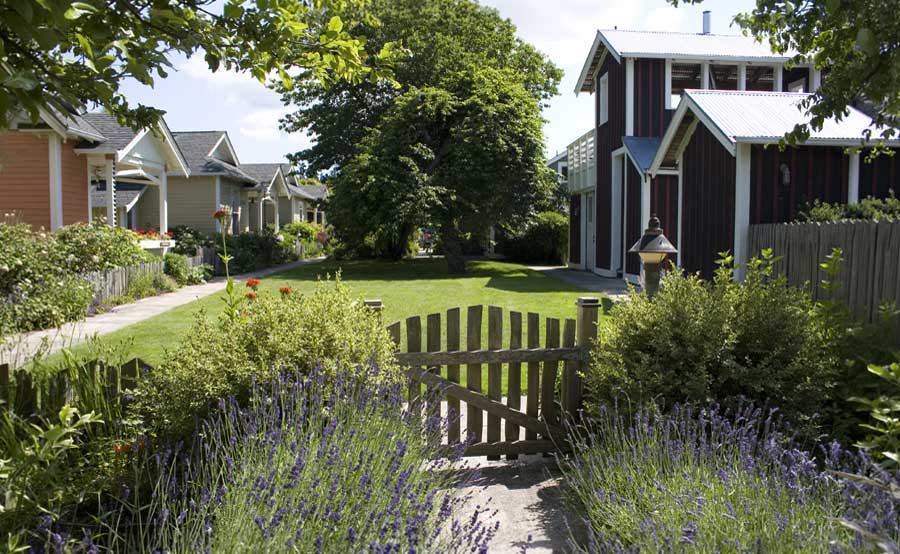
Cottage Court Zoning
During my time on the City Council, I have worked to modernize our Unified Development Code (UDC) to better reflect the evolving housing needs of our community. One meaningful accomplishment was the introduction of a new housing category that previously did not exist in our code: Cottage Courts.
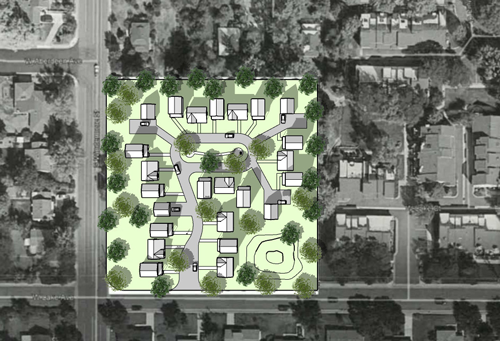
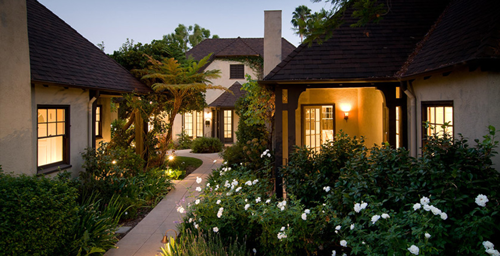
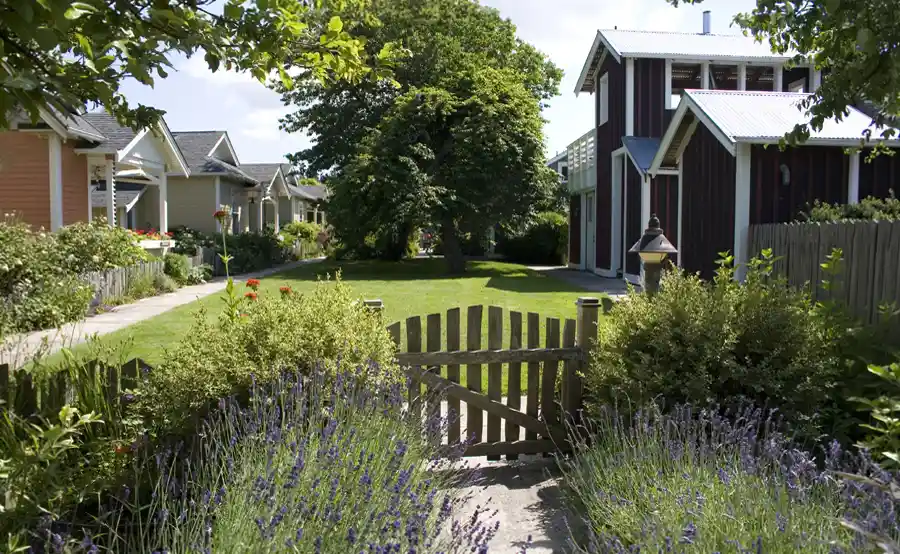
Cottage courts are designed for infill parcels larger than one acre and allow for up to 12 smaller homes per acre. Homes are 600 - 1,500 square feet. These homes may be one or two stories, and in some cases, units may be attached in pairs. The development can be structured in multiple ways: as a single platted parcel with homes available for rent or condominium ownership, or as individually platted lots for fee-simple ownership.
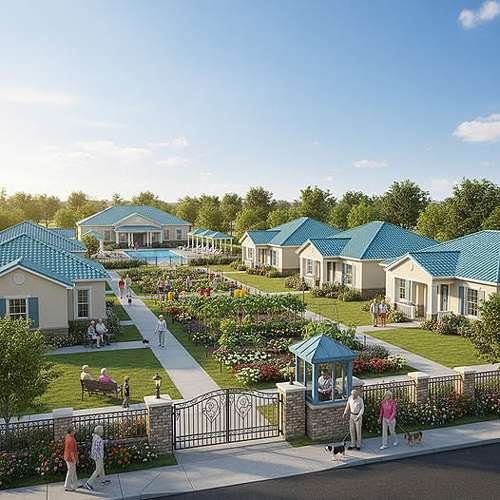
This flexibility opens the door to a wide range of housing opportunities. Cottage courts are especially well-suited for first-time homebuyers, residents looking to downsize, and seniors seeking a more manageable living arrangement. They also provide a compelling option for multi-generational living, allowing extended families to live in close proximity while maintaining independent households.
Beyond traditional housing, cottage courts support innovative and community-oriented living arrangements, including:
- Multi-generational family or friend compounds
- Shared affinity communities
- Shared amenities such as workshop, greenhouse, maker spaces, pottery or art studio
- Senior or veteran housing
- Transitional housing for young adults aging out of foster care
- Housing for high-functioning adults with intellectual and developmental disabilities (I/DD)
- Communities with shared amenities, such as childcare, meal preparation, or maintenance services
Cottage courts can also be thoughtfully integrated into larger mixed-use developments, complementing other housing types and nearby commercial uses to create more complete, walkable neighborhoods.
Importantly, smaller homes on smaller lots have the potential to be more attainable than traditional single-family housing, helping to expand access to homeownership. In addition, their compact footprint allows for more sensitive site design—making it easier to preserve mature trees and natural features.
I am proud to have advanced this new housing type as part of our zoning code, adding a flexible, community-oriented option that supports affordability, sustainability, and diverse living arrangements in our city.